

With just hours to go before the opening ceremony of the Paris 2024 Olympic Games, it is time to ask what medal chances the in-house contract manager has. A remit as broad as the sheer number of disciplines in this competition, and the challenges they take on every day, make them a genuine office athlete. What if our contract managers really were the true athletes of the office? In this article we have imagined the Olympic disciplines in which they could shine, by drawing a parallel between sport and some of the skills this profession cannot do without.
1. Rowing: the art of communicating
Rowing demands perfect synchronisation and clear communication between the crew. In the same way, a contract manager must express their views, defend their position and get messages across with tact and effectiveness.
Collaboration is essential to the success of any team. Working together to develop solutions, create synergies and think through problem-solving can help make a team more effective and productive. Without clear communication between stakeholders, the team’s work will lack cohesion and its projects may never reach their full potential.

2. Artistic gymnastics: mastering negotiation
Like gymnasts linking acrobatic moves with grace, the contract manager must juggle arguments and counter-arguments. Negotiation is a subtle art that calls for flexibility, finesse and practice.
The art of negotiation is the accumulation, over the course of history, of every technique that has gradually proved effective in reaching a compromise. And therefore an agreement. It goes without saying, then, that mastering this art (and event) is part of the contract manager’s DNA, and performance is expected on this front.

3. The 4x100m relay: teamwork
In a relay, each runner masters their leg, knows their team-mates and must hand over the baton with precision. In the same way, the contract manager must work effectively with the company’s other departments, passing on information and tasks without a hitch. Without that effective collaboration, there is no way for them to bring their expertise and their contribution to bear throughout the contract lifecycle.

4. The pentathlon: being multi-disciplinary
Without doubt one of the most demanding disciplines. It requires mastery of, and a strong level in, several different fields. That echoes the contract manager’s role, which calls for juggling various roles and responsibilities. Whether it is contract management & administration, contract performance, internal exchanges, performance improvement, claims management or training, the contract manager must be versatile and able to adapt to different situations. That is how they demonstrate their added value within the company.

5. Showjumping: overcoming difficulties
Like riders clearing unforeseen obstacles, the contract manager must handle contingencies throughout the contract lifecycle. You have to accept that obstacles will come up, and have the ability to find relevant, creative solutions to unblock the situation in line with the objectives of the contract and of the organisation. The contract manager must show critical thinking, analyse situations and put forward proposals.
6. The marathon: managing the long haul
The marathon is the ultimate test of endurance and perseverance at the Olympic Games, requiring athletes to hold their pace and their focus over 42.195 kilometres. In the same way, the contract manager must manage projects and contracts over the long term, often across several years.
They also need stamina to track and manage changes to the contract, the blockages or the disputes that paralyse the project or the delivery of the service. It is therefore essential that they know how to manage their energy and their resources, and find the levers to keep their motivation intact.

7. Basketball: leadership
Basketball is a game of strategy and coordination in which the point guard steers the team towards the best possible execution and the right tactics. As a strategic leader, the contract manager must coordinate and orchestrate the efforts of all stakeholders, devise effective strategies and make sure everyone is working together to reach the common objectives. They will make contract performance effective through sound sequencing and a sensible allocation of everyone’s roles and tasks. Above all, it is by knowing and making judicious use of each stakeholder’s skills that they will drive the project to the summit.

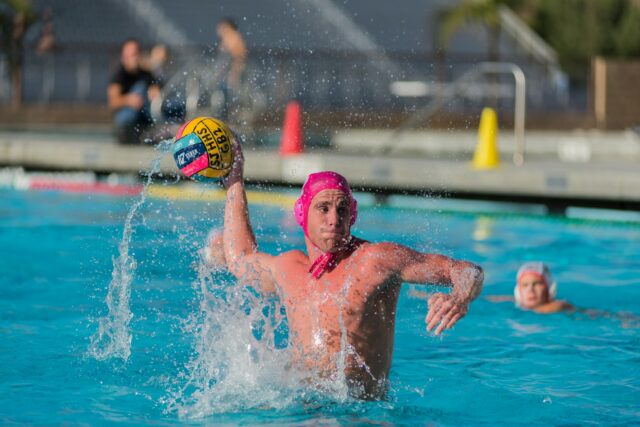
8. Water polo: improving stakeholder engagement
Water polo is a dynamic, demanding team sport that requires perfect coordination, constant communication and total commitment from every player. In contract management, the contract manager must likewise make sure that all stakeholders are fully engaged and committed to achieving the contract’s objectives, by actively involving them and valuing their contributions.
Stakeholder engagement is another decisive factor in a project’s success. Stakeholder engagement consists in seeking the support and the feedback of project stakeholders in order to guarantee that its objectives are met.
Good stakeholder management includes a proper stakeholder analysis using a stakeholder register to identify their needs. Stakeholder engagement tends to be highest at the start of a project and to decline as it progresses. To avoid this, it is important to maintain constant communication with stakeholders through collaboration tools, remote communication tools, and so on.
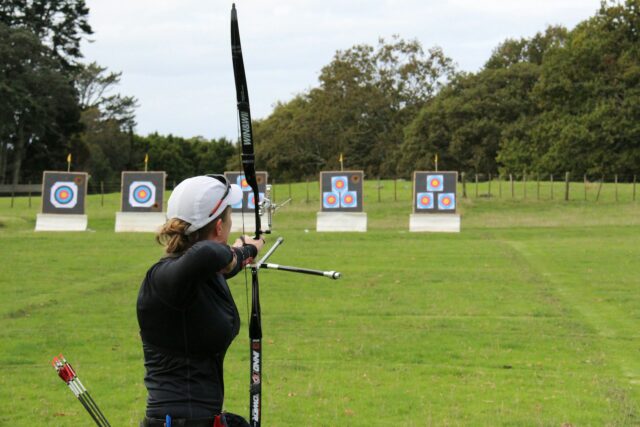
9. Archery: targeting and eliminating inefficiencies
Archery demands extreme concentration and the ability to aim with precision. The contract manager, too, must target the inefficiencies in the working process and eliminate them.
Unfortunately, in many cases these mundane tasks cannot be avoided – they have to be done to move a project forward. Fortunately, there are ways to lighten the load by removing the inefficiencies from your working process. Above all, automating certain processes is one way of cutting the time spent on tedious tasks. By using software or scripts that can do the work for you, you will free up valuable time. What is more, streamlining your workflow by breaking tasks into blocks can help you avoid needless delays caused by switching back and forth between different activities.
By optimising procedures, identifying bottlenecks and implementing improvements, the contract manager stays effective in their mission.
10. The high jump: hitting the targets
Finally, in the high jump the athlete sets the bar ever higher, seeking to push past their own limits and break records. In the same way, the contract manager must set ambitious objectives and constantly seek to improve processes, performance and contractual outcomes. This pursuit of excellence pushes the contract manager to innovate and to find ways of doing better at every stage. It will not always be easy, and they will have to show resilience and perseverance.
Conclusion
Major sporting events remind us that every discipline demands specific skills, which is naturally the case for the contract manager’s job. By combining agility, precision, endurance and team spirit, contract managers are genuine athletes and contribute to their company’s success. So whether they are out on the field or behind a desk, let us not stint on praise for their daily feats!